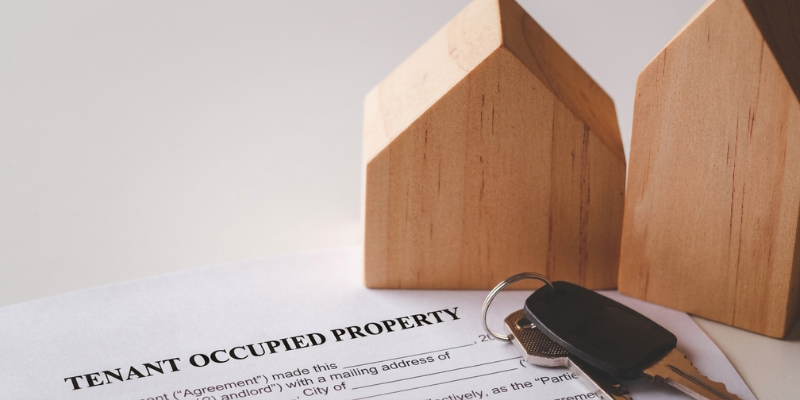
Your tenant doesn’t have to sign off on anything for you to sell. You can list tomorrow, accept an offer next week, and close without your renter ever saying yes. What you can’t skip are the rules on showings, notices, and deposits along the way. Selling a tenant-occupied property in California is less about permission and more about sequence. Get the order right, and you close cleanly. Get it wrong and you could end up in court.
Can You Sell a Rental Property with Tenants Still Living in It?
Yes, and the tenants staying put is often the best thing about the sale.
Investors buy income. When I look at a tenant-occupied property in California, the first thing I want is the rent roll, not a staged living room. An empty unit costs money. Someone has to cover utilities, insurance, and the mortgage while the place sits dark.
The lease doesn’t vanish when the deed changes hands. A fixed-term contract stays in force after the sale, so the new owner takes over your renter, your rent amount, and any side agreements the tenant can prove. Month-to-month setups give you more room, though state notice rules still apply before anyone moves.
Picture a longtime landlord in Rancho Cucamonga splitting assets in a divorce who just wants it done. He’s got two tenants, one of them nine years in, and a garage full of the last owner’s sprinkler parts. Both tenancies would carry over with the sale, exactly as California law intends.
Landlords get into trouble when they assume a sale resets everything. It doesn’t. Selling a tenant-occupied property in California transfers duties without wiping them out. That one point decides whether your closing moves along or stalls in escrow while attorneys trade emails.
What Are Tenant Rights When a Landlord Sells Property in California?
Twenty-four hours is the written notice your renter is presumed to need before you or your agent walk in for a showing, under Civil Code section 1954. Mailing the notice changes the math. If it goes out by mail, the statute presumes six days before the entry date is reasonable.
California law also lets you hand the tenant written notice that the property is for sale. For the 120 days after that, you can book showings with an oral 24-hour heads-up instead of a written one. If you go the oral route, you’ve got to leave written evidence of the entry inside the unit. The 120-day window only covers entry rights. You don’t have to wait it out before listing.
The security deposit is where things go sideways most often. Once you sell the rental, you have two choices. Pass the rest of the deposit to the buyer, or return it to the tenant with a written list of any lawful deductions. If you transfer it, the tenant gets notice by personal delivery or first-class mail. It covers the transfer, any claims against the deposit, the amount, and the new owner’s name, address, and phone number.
Can you hold an open house on a Saturday afternoon? Sometimes. In Dromy v. Lukovsky, a 2013 case, a California appeals court approved limited weekend open houses with advance notice and reasonable hours. Agents still can’t demand entry on the spot. A tenant who feels ambushed won’t stay helpful for long.
What Legal Rules and Local Regulations Should California Landlords Know?
The Tenant Protection Act is the floor, not the ceiling. For most covered rentals, once a tenant has lawfully occupied the unit for 12 months, Civil Code section 1946.2 bars ending that tenancy without a just cause stated in the termination notice. A landlord can’t simply decide they’d rather have someone else in the unit. That threshold can stretch to 24 months when a new adult tenant joins the lease.
Owner move-in counts as a no-fault cause, and it comes with a price tag. The owner or a listed close relative has to move in within 90 days after the tenant leaves. They then have to live there as a primary residence for at least 12 continuous months. Relocation money equals one month’s rent, or you can waive the final month’s rent instead. A direct payment has to land within 15 calendar days of serving the termination notice. The California Attorney General’s tenant resources page covers these rules in plain English.
In plenty of California cities, local ordinances go further than the state minimum. Where a city’s rules give tenants more protection or higher relocation payments, the local rule wins. Santa Monica, Berkeley, Oakland, and Los Angeles all run their own systems. Before you serve anything on a tenant-occupied property in California, call that city’s housing department and confirm what applies.
California eviction timelines shifted recently, too. Since January 1, 2025, tenants have had ten court days instead of five to respond after being served with an unlawful detainer complaint. That change came from Assembly Bill 2347.
How Do You Communicate with Your Tenant About Selling the Property?
Most landlords picture a polite letter, a nod from the tenant, and a smooth run of showings. That picture tends to fall apart fast. The first agent shows up twenty minutes early with a lockbox code and three strangers. A renter who was fine on Monday is refusing entry by Friday.
Tell your tenant before they find out from a sign in the yard. No statute forces you to. Still, a renter who hears about the sale from a neighbor tends to become an obstacle for the rest of escrow.
Put the showing rules in writing and keep them narrow, because vague expectations are what lead to pushback later. Some sellers offer the tenant a modest rent credit for cooperating during the listing period. One weekend of clean showings can easily cover it.
Get an estoppel certificate signed. The form confirms the rental terms for the incoming owner, which keeps a verbal side agreement from surfacing after closing.
What does your tenant actually need here? Mostly, they want certainty. Renters in California markets like San Jose and Sacramento know how hard a search can be. The fear behind their resistance is almost always about where they’ll land, not about you. Address that head-on, and the rest of selling a tenant-occupied property in California gets a lot easier.
Should You Wait for the Lease to End or Push for an Early Move Out?
Often neither, because selling with the tenant in place tends to beat both. An early move-out can get expensive fast.
Run the math before you commit. California’s median existing single-family home price was $899,720 in September 2026, according to the California Association of Realtors. That’s up 1.7 percent from $884,390 a year earlier. Waiting out a lease to catch appreciation isn’t much of a strategy in a market grinding sideways.
Cash for keys works when both sides want it. You negotiate a move-out payment both sides agree on, the tenant signs a surrender agreement, and nobody files anything in court. Keep it truly optional. In California, pressure tactics can turn into wrongful eviction claims with real teeth.
Pushing a tenant out just to sell empty is most often the wrong call, financially and legally. You’d owe relocation money under the just-cause rules if the tenancy qualifies, and you’d carry an empty unit through escrow. You’d also lose the investor buyer pool that wanted the income stream. A tenant-occupied property in California with a reliable, paying renter draws more buyers than an empty box.
A fixed-term lease with eight months left narrows your buyer list to investors. For month-to-month tenants, California requires 30 days’ written notice if they’ve lived there under a year. It’s 60 days once they’ve been there a year or longer. Those notice periods don’t replace just cause where the just-cause law applies.
What Do Buyers Want When Buying Tenant-Occupied Property in California?
The offer sheet really hinges on papers. Three things move the needle:
- Documented rent payments
- A lease the buyer can read
- A deposit that’s accounted for in the dollar
Hand over bank records showing twelve months of on-time rent. A tenant-occupied property in California with that paper trail gets a stronger offer than one sold with a shrug and a verbal history.
Below-market rent quietly kills sales. Say a tenant in Oakland pays $1,400 for a unit worth $2,600 after years of capped increases under local rent control. Buyers will price that gap into their offer. For reference, Zillow put California’s average rent at $2,749 as of October 2026, a figure compiled by Intempus Property Management.
Financing shapes everything, too. Freddie Mac’s 30-year fixed average was 7.32 percent for the week of October 22, 2026. A buyer using a primary-residence loan usually can’t take on a house with a renter holding a long lease. So your pool shifts toward investors and cash. That’s not a downgrade. Cash buyers skip appraisal contingencies and close on your timeline.
This crowd cares little about condition. An investor who buys a tenant-occupied property in Fresno isn’t asking for new flooring. They’re asking how many years the roof has left and whether the plumbing is original.
Honest disclosure of a difficult tenant beats hiding one. Buyers find out during due diligence anyway. A renegotiation two weeks before closing costs more than the discount you’d have taken upfront.
Do You Need a Real Estate Agent Who Handles Tenant-Occupied Sales?

Imagine a seller in Modesto whose residential agent books eleven showings in nine days. That’s eleven entry notices in nine days, and few tenants stay helpful through that.
Experience with occupied California units is a different skill set from selling pretty homes in Walnut Creek. Your agent needs to know the entry rules, understand how estoppel certificates work, and market to investors rather than families.
Ask the direct question before you sign: how many sales of a tenant-occupied property in California have you closed in the past two years? If the answer is one, keep interviewing.
You can also skip the listing entirely. Direct buyers buy the tenant-occupied property as-is, so showings never happen at all. Romine Group buys these houses across California and takes on the tenant relationship as part of the sale. Our office is in Visalia, too. Sell your Visalia house fast the same way, tenant and all. We also help landlords who want to sell a house fast in Fresno or need cash home buyers in Bakersfield.
Compare the two paths on net proceeds, not gross price. The median single-family home statewide took 29 days to sell in September 2026, and that’s before escrow, inspections, and repair negotiations. Add commissions and carrying costs, then weigh the total against a certain, faster number.
A generalist agent on the same file can cost you the tenant’s cooperation, which is harder to replace than a buyer.
How Do You Sell a Tenant-Occupied Property Without the Headaches?
Buyers of a tenant-occupied property sometimes skip the interior inspection and rely on an exterior review and the rent roll instead. When they do, that alone removes most of the friction people dread. Skipping repairs works the same way, and our guide to selling your California home as-is shows how to do it without leaving money on the table.
Order your steps deliberately. Pull the lease, reconcile the deposit, and get the estoppel signed. Then talk to your tenant. Only after that should you list or call a direct buyer.
Price to the income, not to an online estimate. List prices and sale prices often tell their own stories, and a tenant-occupied property answers to cap rates more than to comps.
Now picture an heir in Vallejo three months behind on the mortgage, with a foreclosure sale already scheduled and a tenant upstairs who has no idea. A direct buyer could take the tenant-occupied property in California as it stands. The renter would keep her lease, and the foreclosure would come off the books before the sale date.
Keep your papers in one folder. A buyer will ask for every piece of it.
| Document | Why the buyer wants it |
| Lease and amendments | Shows the rent, the term, and every change the new owner inherits. |
| Deposit receipts | Proves the deposit amount you’ll transfer or return at closing. |
| Rent ledger | Backs up the payment history behind your asking price. |
| Entry notices you’ve served | Shows you’ve followed the notice rules during the sale. |
| Written agreements on pets or parking | Keeps side terms from turning into a dispute after closing. |
If showings feel like the wrong trade, they probably are. Selling a tenant-occupied property in California directly to an investor skips marketing altogether. Firms like Romine Group will look over the building, the lease, and the tenant setup in a single visit. You can see how a direct sale works on our We Buy Houses in California page.
One last thing I’d push back on is the advice that you must hand over a vacant unit to get full value. In California markets with real rental demand, from Chula Vista to Stockton, a stable tenant is an asset on the balance sheet.
Frequently Asked Questions
Can a Landlord Sell a House While Tenants Are Still Living There?
You can. No California statute requires your renter’s consent or even advance warning that the property is going on the market. The lease follows the property to the new owner, so the tenant keeps their occupancy rights, and the buyer steps into your shoes as landlord. What you owe the tenant is proper notice before each entry and correct handling of their deposit at closing.
Does a Text Message Count as Written Notice to a Tenant?
Treat texts as a convenience, not as a legal service. Section 1954 calls for written notice and lists the ways to deliver it: personal delivery, leaving it with someone at the unit, leaving it at the entry door, or mail. Texts and email aren’t on that list. If you used the for-sale notice that opens the oral showing window, you still have to leave written proof inside the unit after each entry.
Can a Tenant in California Be Evicted Immediately?
No. Even at-fault terminations run through a notice period first, then through an unlawful detainer case in superior court if the tenant doesn’t leave. Changed locks, shutting off utilities, or other self-help removals expose you to damages that can dwarf what the eviction would have cost. Only a sheriff acting on a court judgment can physically remove someone from a tenant-occupied property in California.
How Do I Avoid Paying Taxes When I Sell My California Rental?
A 1031 exchange lets you roll proceeds from one investment property into another and defer the capital gains hit. You have to meet strict deadlines for naming and closing on the new one. Moving into the rental as your primary residence for the required period can open the door to the federal exclusion on part of the gain. California taxes those gains as ordinary income, so talk to a CPA who handles rental properties before you sign anything. Escrow may also hold back part of the sale price for the state, so read up on California real estate withholding before you close.
Will I Get Less Money Selling with a Tenant in Place?
Not necessarily, and sometimes the opposite. A unit with a reliable renter at market rent sells on income, which appeals to a buyer pool that moves fast and doesn’t ask for repairs. You lose value when a lease is locked well under market or a tenant has a record of conflicts, because the buyer prices that risk into the offer.
If you’re weighing your options on a rental and the path forward isn’t obvious yet, reach out to Romine Group and we’ll go over the numbers with you. Bring the lease and your questions. We’ll tell you honestly whether listing or selling direct makes more sense for you. There’s no pressure, and no hard feelings if you decide to keep renting it out.