A cracked slab doesn’t care about your timeline. Neither does a 40-year-old sewer lateral nor a roof that finally gave up during the last atmospheric river. If you’re selling a house that needs repairs in California, you’re sitting on real equity and a real problem at the same time. I buy houses in this condition, and the sellers who keep the most money are rarely the ones who fix the most.
What Does Selling a House As-Is in California Mean?
In California, that phrase limits what you’ll repair or credit after an inspection. It doesn’t erase a single disclosure duty.
Sellers of one-to-four-unit homes here still complete the Transfer Disclosure Statement. California courts have held that the TDS can’t be waived, even in an as-is sale, because the phrase caps repair obligations, not the duty to disclose what you know. Civil Code 1102.1 says it plainly: delivery of the TDS may not be waived in an “as is” sale. A seller who assumes otherwise can watch a sale fall apart late in escrow.
So what are you actually signing up for? You’re telling a buyer, in writing, what you know about the needed repairs. Then you’re declining to pay for them.
That line protects you. A seller who hides a known foundation issue has a problem no contract language can fix. A seller who lists all needed repairs on the form and sells as-is has done it right. The disclosure standard for the TDS is your actual knowledge. You don’t have to hire experts to dig for problems, but you can’t conceal the ones you know about. The same goes for an addition or garage conversion done without a permit, so here’s how to sell a house with unpermitted work in California the right way.
Picture a widow in Fresno holding a contractor estimate for her needed repairs. It runs higher than a finished kitchen would add to her sale price, so fixing it up is a losing bet from the start. Pink tile, original cabinets, a 1970s wall oven that still works. Leaving the kitchen untouched lets her pocket the difference.
Should You Sell Your House As-Is in California?
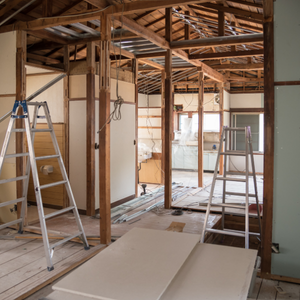
Plenty of sellers picture a quick cosmetic refresh, three weekends of work, and a listing that prints money. Then the painter finds dry rot behind the fascia. The electrician says the panel won’t pass. A project that was going to take a month is now in its fourth. Renovation budgets in California rarely shrink.
Agents rarely tell sellers how much market conditions matter. The California median price for an existing single-family home was $899,720 in September 2026, according to C.A.R., up from $884,390 a year earlier. Statewide, the median home took 29 days to sell that month. Those numbers describe clean, financeable houses, and your 1958 ranch with a failing roof isn’t competing in that bracket.
Condition shows up in the data if you know where to look. In Los Angeles County, Realtor.com counted 4,178 listings with a price cut in September 2026, roughly 8 percent more than a year earlier. Homes that need work, or that launch with an ambitious price, tend to sit and then get reduced. Cash flow is the other problem with fixing first. You have to front the repair money long before you see any of it back.
If the needed repairs are cosmetic and you’ve got cash sitting idle, take care of them. If they’re structural, electrical, plumbing, or roof-related, selling as-is almost always nets you more per hour of your life. California permit timelines alone can eat a season.
How Much Money Do You Lose Selling a House As-Is in California?
Usually less than you’d expect. Most people run the comparison wrong, pitting an as-is cash offer against a retail price they’d never actually collect. Before you compare, look at how much it costs to sell a house in California once commissions, concessions, and closing fees come out.
Selling retail means doing the math upfront. California sellers who go the traditional route commonly give up somewhere between 6 and 10 percent of the sale price once commissions and closing costs are counted. City transfer taxes push that higher in places like Los Angeles, Oakland, and Berkeley. The county documentary transfer tax adds $1.10 per $1,000 of sale price, and who pays it is set in the contract. Then come staging, carrying costs, and the credit you’ll negotiate after the buyer’s inspector writes up all the needed repairs.
Now subtract the repairs themselves. A roof, a panel upgrade, and a sewer line on a mid-century property in Sacramento or Riverside can run well into five figures before anyone picks a paint color.
If you’re selling a house that needs repairs in California, an as-is sale lets you keep everything you’d have spent on the needed repairs. That savings can outweigh the lower price.
Here’s a pattern sellers run into. Buyers pay for kitchens and curb appeal. They won’t reward you much for a new sewer lateral, even though some East Bay cities, Alameda among them, require a sewer lateral compliance certificate when a home sells. Invisible fixes rarely earn back their full cost at the closing table.
How Do You Sell a House As-Is in California?

Start with paperwork. Gather whatever exists for the needed repairs: old inspection reports, contractor estimates, insurance claims, and permit history. A seller who hands over a folder tends to get a cleaner offer than a seller who shrugs. Documented problems are priced problems. Unknown problems get priced for the worst case.
Then pick your path. Listing with a realtor on the open market works if the house is financeable. Lenders backing conventional mortgages will balk at missing flooring, an inoperable kitchen, or exposed wiring. FHA and VA appraisers are even stricter.
Auction is the second option. It’s underrated for unusual properties in rural Northern California, where comps are thin.
Third is a direct cash sale to a local investor or house flipper, which is the lane we work in at Romine Group. There’s no appraisal, no lender conditions, and no request for needed repairs after inspection. Escrow can close in a couple of weeks when title is clean. You can see how it works on our We Buy Houses in California page.
Whichever route you choose, complete your disclosures properly. The TDS is the backbone. California also requires the Natural Hazard Disclosure and the Megan’s Law notice, and federal law adds a lead-based paint disclosure for homes built before 1978. Natural hazard disclosures matter enormously here, given fire and flood mapping across the foothills and coastal canyons.
Can Home Buyers Back Out of an “As-Is” Contract in California?
Sign a contract believing “as is” means locked in, and you can lose weeks to a buyer who walks on day sixteen with their deposit intact.
What actually lets a buyer walk is the contingency language, not the condition language. The standard C.A.R. contract sets these default periods, all counted from acceptance unless both parties agree in writing to different numbers.
| Contingency | Default period to complete or remove |
| Inspection | 17 days |
| Appraisal | 17 days |
| Loan | 21 days |
California does something many states don’t. Contingencies here come off actively, not passively, so the inspection protection doesn’t vanish on day 17. Until the buyer signs and delivers a written removal, they keep the right to cancel based on what the inspection found. A seller can deliver a Notice to Buyer to Perform to force the issue, and your agent or attorney can confirm the response period under the current form.
So does as-is buy you anything in negotiations? Yes. It sets the expectation that you won’t fund the needed repairs, which filters out buyers shopping for a credit. It just doesn’t stop a financed buyer from finding the needed repairs and deciding the house isn’t for them.
A cash offer with no loan or appraisal contingency leaves far fewer ways out of the contract.
How Do You Contact a California As-Is Home Buyer?

Reach out by phone, email, or the message form on a local buyer’s site. Expect a conversation about the house before any number appears. A credible California cash buyer asks about the roof, the age of the systems, what’s going on with the needed repairs, and whether anyone’s living there. Vague offers made sight unseen tend to shrink once someone finally sees the property.
Questions worth asking:
- Are you buying this yourself or assigning the contract?
- Can you show proof of funds today?
- Which escrow company do you use?
- What’s your track record with properties like mine in this part of California?
Local knowledge matters. A buyer who knows Stockton’s market won’t underwrite a Ventura County property the same way.
Imagine a homeowner in Vallejo whose house sat through two expired listings back to back without a single offer. The garage is packed with his late father’s woodworking equipment, and the back deck has pulled away from the house. Two agents each promised a spring sale, and neither found a buyer willing to take on the needed repairs. An investor could walk it on a Tuesday and make an offer, and he could take the tools he wants and leave the rest.
With a direct sale, there’s no lockbox, no weekend open houses, and no neighbors walking your hallway. Sell your Visalia house fast without fixing a thing, since our office is right there in town. We also buy as-is homes from sellers who want to sell a house fast in Fresno or need cash home buyers in Bakersfield.
Frequently Asked Questions
What Should You Fix Before Selling a House in California?
Fix the safety and function items that would stop a loan: active leaks, a broken water heater, exposed wiring, and anything blocking entry. Skip the kitchen remodel. If you’re selling as-is to a California cash buyer, skip all of it, since the offer already accounts for the needed repairs.
What Is the Number One Reason a House Doesn’t Sell?
Price, almost every time. Condition is usually just price in disguise. A California house with visible needed repairs, priced like a remodeled one, can sit through an entire season. Lower the number or address the condition. Sellers who refuse to do either keep extending the listing and keep hearing the same silence.
What Is the 3-3-3 Rule in Real Estate?
It’s a rough budgeting guide for buyers, not a law, and you’ll hear it described a few different ways. One common version says housing costs should stay at or below 30 percent of gross monthly income. It also calls for about 30 percent of the home’s value saved in cash and a price near three times annual income. For a California seller with needed repairs, the useful lesson is about reserves. Carrying costs during a long listing are what quietly erase your profit.
How Much Does It Cost to Sell a $400,000 Home?
Using the traditional-sale range above, a sale at that price in California would typically cost you roughly $24,000 to $40,000 between commissions, escrow, title, and the documentary transfer tax. Then add whatever credit the buyer asks for after inspection, which on a home with needed repairs is rarely zero. A direct cash sale removes commissions entirely and often covers standard closing costs. That’s why the lower headline number can net out closer than sellers expect.
Do You Still Have to Disclose Problems If You Sell As-Is?
Yes. The disclosure duty described above applies no matter how the property is marketed. Write down the needed repairs you know about, hand over any reports you have, and you’ve met your obligation honestly.
If you own a California house with needed repairs and you’re not sure which path leaves you with more money, talk it through with someone who buys these houses every month. We’re happy to walk the property, give you a straight number, and tell you honestly if listing would serve you better. When you’re ready, reach out to Romine Group. There’s no pressure, and no hard feelings if you decide to wait.
Helpful California Blog Articles
- How To Sell A House In Foreclosure In California
- Can You Sell a House with a Mortgage in California
- How Much Does It Cost to Sell a House in California
- How Long Does It Take to Sell a House in California
- Selling Tenant-Occupied Property in California
- Selling a House That Needs Repairs in California Without Losing Money