
Pull back the baseboard in a 1950s Sunset District bungalow and you’ll often find a dark bloom no one knew was there. Across California, plenty of homes change hands with some mold hiding behind drywall, under sinks, or up in the attic sheathing. You can sell a house with mold in California without paying for remediation first. What you can’t do is hide it.
I buy houses in this state, and mold shows up more often than most sellers guess.
Where Is Mold Found in the House?
“If I can’t see it, do I even have a problem?” Sellers ask that all the time. The honest answer is that you’ve got a moisture problem first and a mold problem second.
Bathrooms top the list. Think grout lines, the underside of a vanity, or the wall cavity behind a shower pan that failed three years ago. Kitchens come next. A slow dishwasher supply line can soak a subfloor for months without a single drip showing on the surface, and you won’t know until you pull up the flooring. Attics in coastal California towns like Pacifica or Santa Cruz collect condensation when ventilation is poor and the marine layer never burns off.
Crawl spaces deserve their own mention. Older California homes on raised foundations sit over bare dirt, and that dirt breathes moisture up into joists and insulation all winter long.
Anywhere water sat still, mold likely found a home.
What surprises people is how often the trigger was a single event they forgot about. A roof leak during one of those atmospheric river storms. A washing machine hose that burst while the family was in Tahoe for the weekend. Picture a California seller in the Inland Empire who patched a ceiling stain and truly believed the issue was finished. All the while, the mold kept growing inside the joist bay.
Smell is your best free diagnostic tool. An earthy, damp-basement odor in a California house with no basement means water is getting in somewhere, and mold is feeding on it.
What Are the Dangers of Mold in the House?
Plenty of homeowners picture mold as a cosmetic nuisance, a black smudge you wipe with bleach and forget. The health side tells another story, most of all for anyone in the house with asthma or allergies.
For sensitive people, mold can mean sneezing, itchy eyes, skin irritation, and congestion that never quite clears. Allergic reactions are the most common complaint, and existing breathing problems can get worse too. The U.S. EPA’s guidance puts moisture control first, so it focuses on drying the structure rather than chasing lab numbers.
California hasn’t filled that gap with standards of its own. The California Department of Public Health says science-based exposure limits for indoor molds can’t be set at this time, and none exist in the state. There’s also no legal requirement in California for training, licensing, or certification of mold assessors. You can read that on the CDPH mold page.
So there’s no number that makes a California home “pass.” That cuts both ways for sellers.
Property damage runs alongside the health risks. Mold eats the paper facing on drywall, softens subfloor, and degrades framing when it’s left alone long enough. Once it reaches structural rot, you’re looking at a renovation, not a cleanup.
Do Sellers Have to Disclose Mold in California?
Imagine a seller in Fresno who repairs a bathroom leak, scrubs the visible mold, and lists six weeks later without mentioning any of it. The buyer’s inspector finds stained framing inside the wall, and the sale falls apart on the spot.
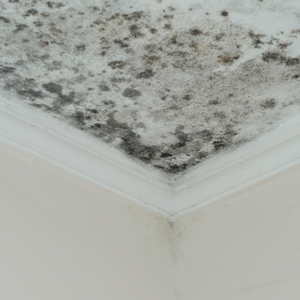
California’s disclosure framework is the strictest piece of this whole puzzle. Sellers of most residential property complete a Real Estate Transfer Disclosure Statement under Civil Code Section 1102 et seq. The form asks about known conditions, and mold and water damage land squarely inside it.
The Toxic Mold Protection Act confuses almost everyone, agents too. California never adopted the exposure standards the Act called for. Because the Act’s disclosure duties were written to start only after those standards existed, they haven’t taken effect. That doesn’t let you off the hook. A non-disclosure claim tends to fail when a seller truly had no idea about the problem. When a seller knowingly hides it, though, the buyer can go after the costs that follow.
Disclose the mold. Disclose the leak that caused it.
Here’s my position, and some agents disagree with me: over-disclosing is the cheapest insurance a California seller can buy. A buyer who reads about mold on page two of your disclosures and still writes an offer has made peace with it. A buyer who discovers mold after closing has a lawyer’s phone number and a grievance.
Past remediation counts too. Even with a clean clearance report in hand, California sellers should put the mold history in writing. You can review the statutory form language yourself in Civil Code Section 1102.6.
Can You Sell a House with Mold in California?
No California law bans the sale of a home with mold. Buyers here take on mold-affected property all the time, usually at a price that reflects the repair. The sale of the home itself is legal. Only concealment creates liability.
Conventional and FHA lenders get nervous about active mold and visible water damage, and appraisers flag it. Retail home buyers browsing open houses in Elk Grove or Riverside tend to walk when they hear the word. Cash buyers and investors don’t flinch because they’ve priced mold remediation many times before.
Weigh market conditions here, too. California’s statewide median home price sat at $899,720 in September 2026, according to the California Association of Realtors, and homes took a median of 29 days to sell. That brief window describes clean, move-in-ready inventory. A California listing with disclosed mold and no remediation sits longer, draws lowball offers, and often ends in a price cut anyway.
You have three doors:
- Remediate and sell retail.
- Disclose the mold, list as-is, and accept a discount from a conventional buyer.
- Sell directly to a cash buyer who handles the mold after closing.
Teams like Romine Group buy California houses in exactly this condition, which spares sellers the contractor estimates and the clearance testing. The offer comes in lower than a perfect-condition comp, and it comes without repair contingencies.
How Much Does Professional Mold Removal Cost?
Guess wrong on this number and you can sink five figures into a California property that still sells at a discount. The mold history follows the house onto the disclosures either way.
Pricing depends on scope, and inspections are a separate invoice. The national figures here come from Angi’s 2025 contractor cost data, so treat them as a starting point for California pricing.
| Job | Typical national cost |
| Small surface mold, like a bathroom | $500 to $1,000 |
| Most remediation projects | $1,222 to $3,751, with an average of $2,365 |
| Whole-house remediation | $10,000 to $30,000 |
| Professional mold inspection | $300 to $1,025 |
Sellers underbudget this part. Remediation and repair are two bills, not one. A crew removes the contaminated drywall, insulation, and flooring, runs containment and HEPA equipment, then leaves. Rebuilding that bathroom takes another contractor and another check. A California homeowner can approve a $4,000 mold remediation estimate and then find the restoration adds several thousand more.
Insurance won’t always bail you out. Many California policies cap mold coverage with a fixed sublimit, sometimes around $5,000, even when the underlying water loss is covered. Insurers also tend to deny claims tied to gradual leaks or poor maintenance. A slow leak you ignored for two years rarely qualifies.
Hire carefully. Under California law, construction work worth $1,000 or more in combined labor and materials requires a contractor licensed by the Contractors State License Board. Verify any mold contractor’s license at cslb.ca.gov before money changes hands.
DIY Mold Removal Tips
Ten square feet. That’s roughly the size of a patch the U.S. EPA says most homeowners can clean up themselves, and it’s a useful line for California sellers deciding whether to grab a scrub brush or a phone.

An N95 respirator, goggles without vents, and nitrile gloves cost less than lunch in downtown San Diego. Disturbing mold throws spores into the air, and breathing them during cleanup is how people turn a small job into a week of symptoms.
Fix the water first. Scrubbing mold off a surface while the leak keeps running is painting over rust.
On hard surfaces, use detergent and water instead of bleach. That still surprises California homeowners who grew up watching their parents reach for the Clorox. Porous materials like ceiling tiles or carpet may have to go entirely. Dry the area completely within a day or two, run fans, and crack a window if the outdoor humidity cooperates. Trapped moisture is what invites the problem back.
Where DIY ends matters more than where it begins. Mold inside wall cavities, HVAC ductwork, or attic sheathing needs containment barriers and negative air pressure, and that’s professional territory. Sewage-related contamination is never a DIY project in any California home.
One more honest note about selling: cosmetic DIY cleanup doesn’t erase your disclosure duty. You cleaned the mold, so you knew about the mold, and California buyers are entitled to that information.
Buyers trust a paper trail more than a fresh coat of Kilz. A documented cleanup reads as competence rather than concealment.
Fixing Mold vs. Selling As-Is
You might assume a clean house always nets more, so remediating before listing seems like the obvious move. The math doesn’t support that across the board.
Small mold in an accessible spot? Remediate. A few thousand dollars spent on a bathroom wall opens your California property to financed buyers and removes the biggest objection in the house. Documented remediation with a clearance test takes most of the sting out of the mold history.
Large or unknown scope flips the equation hard. Once a crew opens a wall, the job can grow fast, and you’re paying for discoveries you never planned for while your carrying costs keep running. California sellers facing a foreclosure date, a probate deadline, or a job transfer don’t have the runway for weeks of remediation plus a rebuild.
Factor in the market you’re selling into. California’s statewide Unsold Inventory Index held at 3.7 months in September 2026, slightly above 3.6 months a year earlier. More inventory gives buyers choices, and a mold-flagged listing competes against clean ones. So ask how much time you really have before waiting costs you more than the mold does.
An as-is cash sale trades price for certainty. You skip remediation, skip the rebuild, and skip repair negotiations after inspection. Investors underwrite mold as a line item, not a reason to walk away. Romine Group handles California properties this way, taking on the mold remediation after closing so the seller never touches it. You can see how it works on our We Buy Houses in California page.
Remediation aims for top dollar. An as-is sale aims for speed and finality.
Sell Your Home Fast in California Without Mold Stress
Cash buyers don’t order a clearance test before closing, and that single difference can cut weeks from a California timeline. There’s no lender appraisal flagging the mold, no underwriter demanding proof the water intrusion stopped, and no second inspection after the crew packs up.

A traditional California sale with mold means inspection, renegotiation, remediation estimates, scheduling, rebuild, and then re-inspection. A direct sale shrinks that to a title search and a closing date you pick. Sell your Visalia house fast the same way, mold and all, since our office is right there in town.
What should you expect from a legitimate California cash buyer? Someone who walks through the house without launching into a sales pitch. An offer explained line by line, including what they’re deducting for mold remediation. No earnest money games, no assignment surprises, and nobody asking you to clean the garage first.
Picture siblings in Vacaville who’ve inherited their mother’s house after she passed. Thirty years of belongings fill every room, including a garage stacked floor to ceiling with Christmas decorations and a sedan that won’t run. Mold has spread across the back bedroom wall from a window that leaked for a decade. A direct sale lets them keep the photo albums and their mother’s sewing machine and leave the rest behind.
Stories like that play out across California. Heirs live in different states, the house needs more work than anyone has time for, and mold adds one more reason to stall. Selling as-is isn’t quitting. It’s choosing the option where the numbers and your life actually line up.
Frequently Asked Questions
Can I Sell My House with Mold in It?
You can sell a house with mold in California. No statute prevents the sale of a property with mold, and those homes trade hands regularly. Your obligation is disclosure, not repair, so put what you know in writing and let the buyer decide. Cash buyers and investors will make offers on mold-affected California homes that conventional lenders won’t finance.
Do I Need a License for Mold Remediation in California?
California issues no mold-specific license for inspectors or remediators. That said, most mold remediation involves removing drywall, insulation, or flooring. That kind of work falls under contractor licensing law at the dollar threshold described earlier. Verify any company’s CSLB license before you sign, because without a mold license the quality bar varies widely.
What Is Considered Stage 4 Mold Contamination?
Stage 4 is informal industry shorthand rather than a California legal category. It generally describes mold that has spread through wall cavities, HVAC systems, or structural framing across large areas. At that point you’re looking at containment barriers, negative air machines, demolition of porous materials, and often structural repair underneath. Since California sets no official mold grading system, treat any contractor’s “stage” language as a description of scope, not a regulated classification.
How Long Can You Live in a House with Black Mold?
There’s no safe published timeline, and that’s precisely because California health officials say exposure limits can’t be set scientifically. Some people live with black mold for years and notice nothing. Others develop breathing symptoms and allergic reactions within weeks, especially children and anyone with asthma. Watch for unexplained congestion, coughing, or worsening allergies that improve when someone leaves the house. Take that seriously and get the moisture source fixed.
Will Mold Lower My Home’s Appraised Value in California?
Active mold tends to hurt value less through the appraisal itself and more through the buyer pool it shuts out. Appraisers in California often call for repairs or a specialist report when they see visible mold or water staining, which stalls financing. Documented remediation with a clearance report can restore much of the lost value. An unaddressed mold problem invites offers discounted well beyond the actual repair cost.
Staring at a mold problem and a deadline? If you’d rather talk it through with someone who’s handled this before, reach out to Romine Group. We’ll come see your California property and tell you honestly whether remediation or an as-is sale serves you better. If a cash sale makes sense, you’ll get a straight number. There’s no pressure, and no hard feelings if you decide to list it instead.
Helpful California Blog Articles
- How To Sell A House In Foreclosure In California
- Can You Sell a House with a Mortgage in California
- How Much Does It Cost to Sell a House in California
- How Long Does It Take to Sell a House in California
- Selling Tenant-Occupied Property in California
- Selling a House That Needs Repairs in California
- Can You Sell a House with Mold in California